The Original Orange Wine Explained
Georgian amber wine is a traditional style of wine made from white grapes fermented with their skins, giving the wine a deep amber colour and distinctive structure. Although this style is often called orange wine internationally, the technique originates in Georgia and has been practised there for thousands of years.
Amber wines are most commonly produced using qvevri, large clay vessels buried underground that are used for fermentation and ageing. This ancient winemaking method allows the wine to remain in contact with grape skins for extended periods, creating complex aromas, tannic structure, and a rich amber hue.
Today, Georgian amber wines are widely recognised by wine enthusiasts and natural wine producers around the world as one of the most distinctive expressions of traditional winemaking.
What Is Georgian Amber Wine?
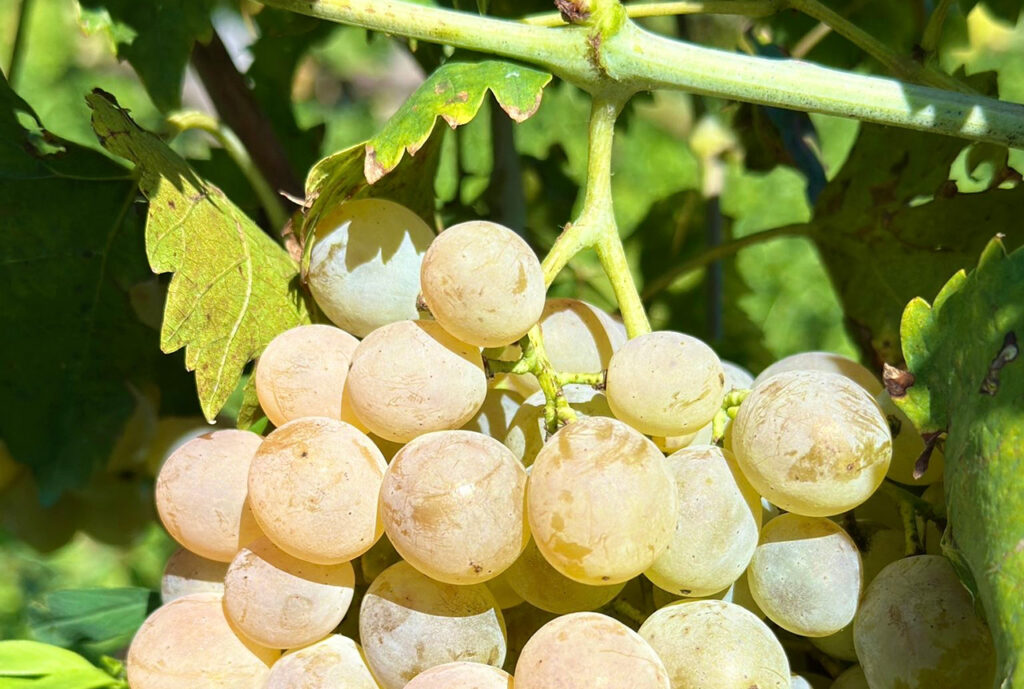
Amber wine is made from white grapes fermented with their skins, a process similar to how red wines are produced. During fermentation, the grape skins release colour, tannins, and aromatic compounds into the wine.
This extended skin contact produces wines that are very different from conventional white wines.
Typical characteristics of Georgian amber wines include:
- deep amber or golden color
- structured tannins
- complex aromas of dried fruit, herbs, and spices
- long ageing potential
Although amber wine is sometimes described as orange wine, the Georgian term “amber wine” better reflects the traditional style and historical origins of the technique.
Why Amber Wine Is Called Orange Wine
Outside Georgia, amber wines are often referred to as orange wines. The name refers to the colour that results when white grape skins remain in contact with the fermenting juice.
However, the term “orange wine” can be misleading because the wine is not made from oranges. Instead, it refers to a traditional winemaking technique used in Georgia for centuries.
In fact, Georgia is widely considered the historical origin of skin-contact white wines, making Georgian amber wines the earliest known examples of what is now called orange wine.
How Georgian Amber Wine Is Made
The production of Georgian amber wine follows a process that differs from modern white winemaking.
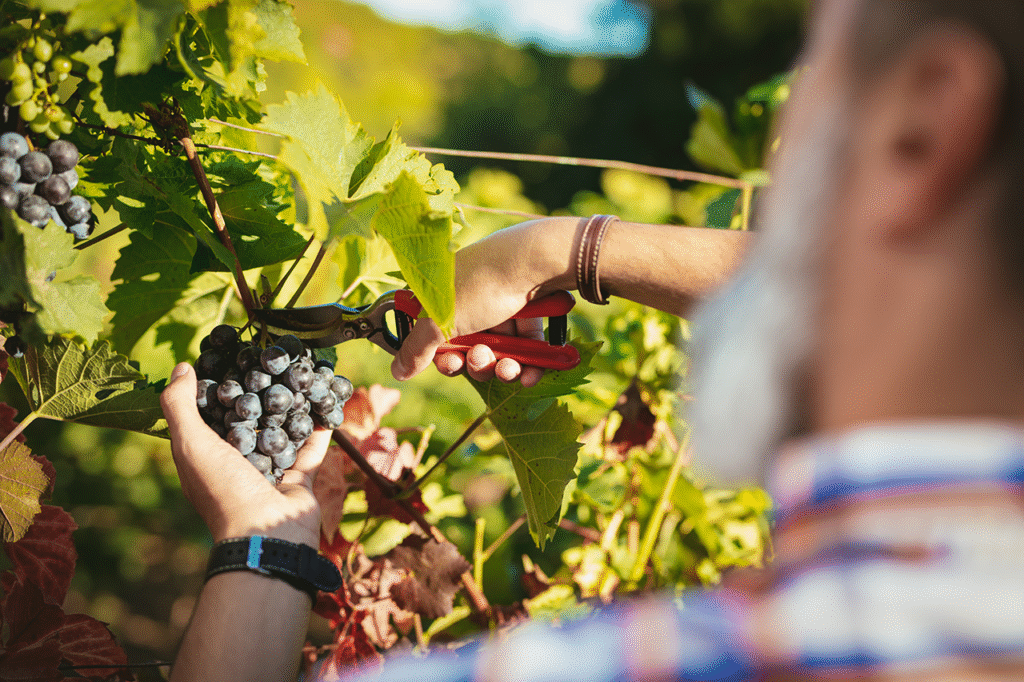
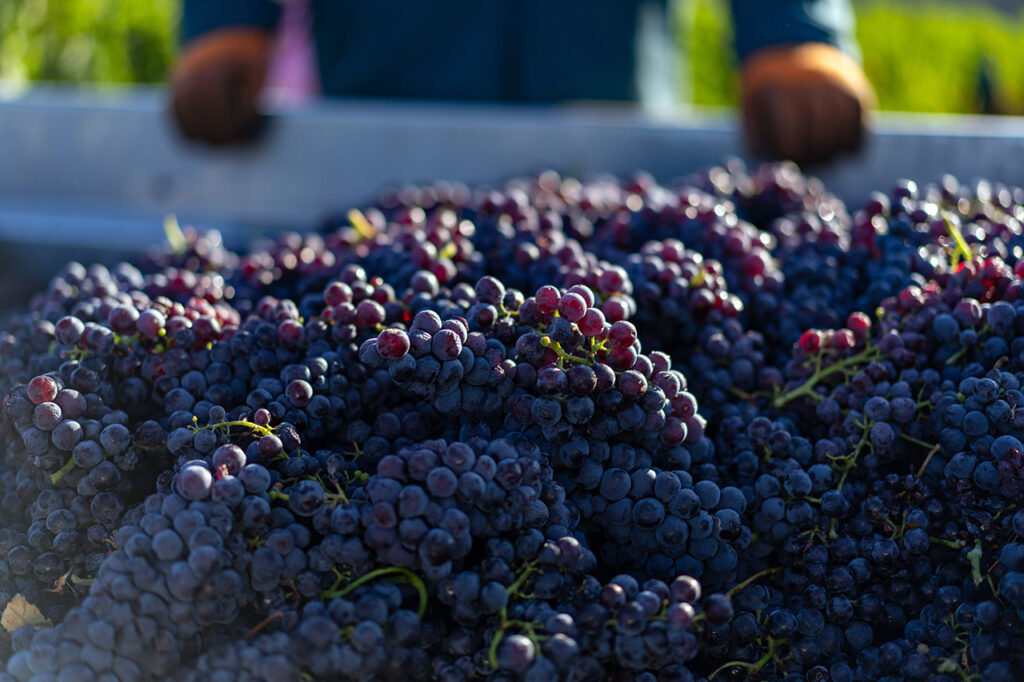
Harvesting and crushing the grapes
White grapes are harvested and crushed to release their juice.
Fermentation with skins
Unlike conventional white wine production, the grape skins are left in contact with the juice during fermentation.
This extended maceration can last from several weeks to several months.
Fermentation in qvevri
In traditional Georgian winemaking, the grape juice, skins, seeds, and sometimes stems are placed inside qvevri, large clay vessels buried underground.
The underground environment maintains a stable temperature, allowing fermentation to occur naturally.
Ageing and natural clarification
After fermentation, the wine remains in the qvevri while solid particles gradually settle to the bottom.
The wine is then transferred or bottled after several months of maturation.
The Role of Qvevri in Amber Wine
The qvevri winemaking method is closely associated with Georgian amber wines.
Qvevri are large clay vessels traditionally buried underground in a cellar called a marani. These vessels allow wine to ferment and age naturally without artificial temperature control.
The shape of the vessel and the underground placement help create optimal conditions for fermentation and maturation.
In 2013, the traditional Georgian qvevri winemaking method was recognised by UNESCO as part of the Intangible Cultural Heritage of Humanity, highlighting its importance in global wine culture.
Grapes Used for Georgian Amber Wine
Several indigenous Georgian grape varieties are commonly used to produce amber wines.
Rkatsiteli
Rkatsiteli is one of the most widely planted white grapes in Georgia and is frequently used for amber wines. It produces structured wines with high acidity and complex aromas.
Kisi
Kisi is an aromatic white grape known for producing expressive wines with floral, honeyed, and dried fruit notes.
Mtsvane
Mtsvane produces elegant wines with herbal and citrus characteristics and is sometimes used in amber wine production.
Flavour Profile of Georgian Amber Wines
Because of the extended skin contact, Georgian amber wines develop flavours and textures that differ significantly from most white wines.
Common flavour characteristics include:
- dried apricot and peach
- honey and nuts
- tea and herbal notes
- subtle tannic structure
These wines often have a fuller body and more texture than typical white wines.
Georgian Amber Wine and the Natural Wine Movement
In recent years, Georgian amber wines have become closely associated with the natural wine movement.
Traditional Georgian winemakers often follow practices that align with natural wine principles, including:
- spontaneous fermentation using native yeasts
- minimal additives
- limited technological intervention
Because these methods have been used in Georgia for generations, many wine experts consider Georgian winemaking traditions to be an inspiration for modern natural wine producers.
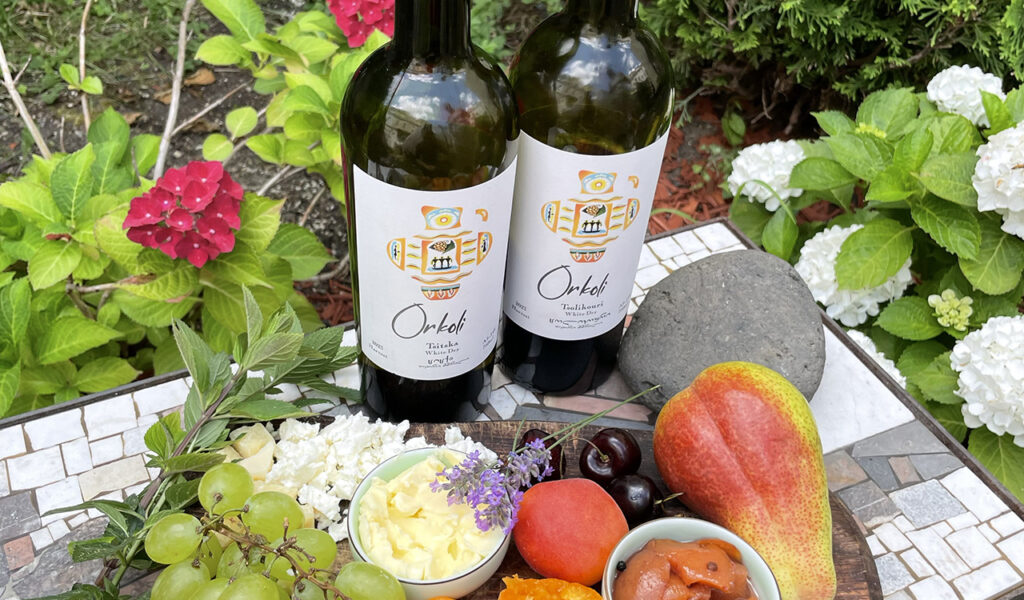
Food Pairings for Georgian Amber Wines
The structure and complexity of amber wines make them highly versatile for food pairing.
Typical pairings include:
- grilled poultry and roasted meats
- aged cheeses
- mushroom dishes
- Georgian cuisine, such as khachapuri and khinkali
The tannic structure of amber wines allows them to pair well with foods that would normally be served with red wines.
Discover Georgian Amber Wines
Georgian amber wines represent one of the most ancient and distinctive styles of wine in the world. Produced using traditional techniques and indigenous grape varieties, these wines offer a unique combination of history, culture, and flavour.
Exploring Georgian amber wine is not only an opportunity to discover a unique wine style but also a connection to one of the oldest winemaking traditions on earth.