


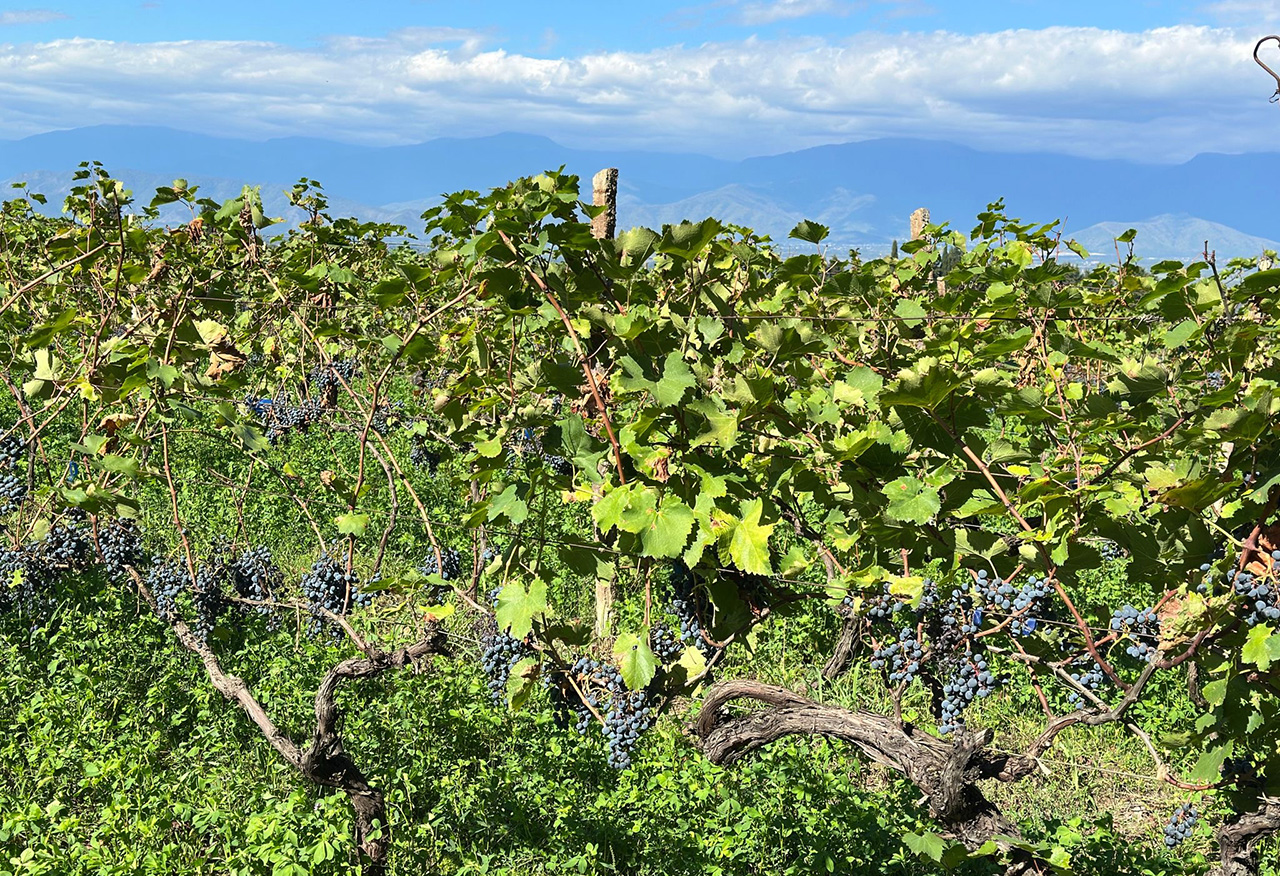
History, Grapes, Regions and the Ancient Qvevri Tradition
Introduction
Georgian wine is widely regarded as one of the oldest wine traditions in the world. Archaeological discoveries indicate that winemaking in Georgia dates back more than 8,000 years, making it the earliest known wine-producing culture.
Located at the crossroads of Europe and Asia in the South Caucasus, Georgia has preserved ancient winemaking techniques, indigenous grape varieties, and regional traditions that are rarely found elsewhere in the wine world. Unlike many modern wine industries dominated by international grape varieties, Georgian wine remains deeply rooted in local culture and native grapes.
One of the most distinctive features of Georgian winemaking is the use of qvevri—large clay vessels buried underground where wine ferments and ages. This traditional method, which has been practised for millennia, was recognised in 2013 by UNESCO as part of the Intangible Cultural Heritage of Humanity.
Today, Georgian wines are gaining international recognition for their authenticity, natural production methods, and unique flavour profiles.
Why Georgia Is Called the Cradle of Wine
Georgia is often described as the cradle of wine because archaeological evidence shows that the earliest known winemaking occurred there around 6000 BCE.
Researchers discovered ancient clay vessels containing traces of fermented grape juice in several Neolithic settlements in eastern Georgia. These findings demonstrate that wine production was already well established thousands of years before the rise of classical Mediterranean civilisations.
Wine has always been deeply embedded in Georgian society. Throughout history, it has played a central role in:
- religious rituals
- traditional celebrations
- hospitality and social gatherings
- agricultural life
The Georgian traditional feast, known as the supra, is still centred around wine and ceremonial toasts led by a toastmaster called the tamada.
The Traditional Qvevri Winemaking Method
One of the most distinctive aspects of Georgian wine production is the qvevri method.
A qvevri is a large egg-shaped clay vessel that is buried underground. The vessel is used for fermenting, ageing, and storing wine.
How qvevri winemaking works
- Grapes are harvested and crushed.
- The juice, skins, seeds, and sometimes stems are placed in the qvevri.
- Natural fermentation begins with native yeasts.
- The wine remains in the vessel for several months.
- The underground environment keeps the temperature stable.
Because the wine stays in contact with grape skins for an extended period, the resulting wines often develop:
- deeper color
- stronger structure
- complex aromas
The qvevri method is particularly associated with amber wines, which are made from white grapes fermented with their skins.
Georgian Wine Regions
Georgia has several wine-producing regions, each with its own climate, soil conditions, and traditional grape varieties.
Kakheti
Kakheti is the most important wine region in Georgia and produces the majority of the country’s wines. Located in eastern Georgia, Kakheti has a continental climate with hot summers and mild winters.
The region is especially known for:
- Saperavi red wines
- traditional qvevri wines
- amber wines made from Rkatsiteli
Famous appellations from Kakheti include Mukuzani, Kindzmarauli, and Tsinandali.
Kartli
Kartli is located in central Georgia and has a cooler climate than Kakheti. The region produces elegant white wines as well as some of Georgia’s sparkling wines.
Traditional grape varieties grown in Kartli include:
- Chinuri
- Goruli Mtsvane
- Tavkveri
Imereti
Imereti, in western Georgia, produces lighter and fresher wines. The region has a humid climate influenced by the Black Sea.
Local winemakers often use smaller clay vessels similar to qvevri called churi.
Racha
Racha is a mountainous region known for producing one of Georgia’s most famous wines: Khvanchkara, a naturally semi-sweet red wine.
Georgian Grape Varieties
Georgia has one of the richest collections of grape varieties in the world, with more than 500 indigenous grapes recorded.
While only a portion of these varieties are used commercially, several grapes have become internationally recognized.
Saperavi
Saperavi is Georgia’s most famous red grape variety. It is known for producing deeply colored wines with strong tannins and excellent aging potential.
Typical characteristics of Saperavi wines include:
- dark fruit flavors
- structured tannins
- high acidity
- long aging potential
Saperavi is often used to produce both dry wines and naturally semi-sweet wines.
Rkatsiteli
Rkatsiteli is one of the oldest white grape varieties still in production today. It is widely planted in Georgia and is frequently used for traditional qvevri wines.
Rkatsiteli wines are typically:
- fresh and aromatic
- high in acidity
- suitable for amber wine production
Kisi
Kisi is an aromatic white grape that has gained popularity among natural wine producers. It produces wines with complex floral and honeyed aromas.
Mtsvane
Mtsvane is another important Georgian white grape variety known for elegant wines with floral and citrus notes.
Georgian Wine Styles
Georgian wines are produced in several distinctive styles.
Red Wines
Red wines made from Saperavi are among the most famous Georgian wines. They are typically full-bodied, deeply colored, and structured.
White Wines
White wines are often produced from Rkatsiteli, Mtsvane, and other indigenous grapes. These wines can range from crisp and fresh to more complex styles depending on the production method.
Amber Wines
Amber wines are a hallmark of Georgian winemaking. They are produced when white grapes ferment with their skins, giving the wine a deep amber color and a more tannic structure.
This style is sometimes referred to internationally as orange wine, although it has been made in Georgia for centuries.
Natural Wines
Many Georgian producers follow traditional low-intervention winemaking methods. These wines are often classified as natural wines, meaning they are produced with minimal additives and little technological intervention.
Because of its ancient winemaking traditions, Georgia is often considered one of the historical roots of the modern natural wine movement.
Georgian Wine Culture
Wine is deeply embedded in Georgian culture and identity. The Georgian word for wine, “ghvino,” is believed by some linguists to be related to the origins of the word “wine” in several European languages.
The Georgian supra, a traditional feast, celebrates hospitality, friendship, and storytelling. During a supra, the tamada leads a sequence of ceremonial toasts while guests share food and wine.
This tradition reflects the cultural importance of wine as more than just a beverage—it is a symbol of community and heritage.
Why Georgian Wines Are Gaining Global Recognition
In recent years, Georgian wines have attracted growing international attention.
Several factors contribute to this increasing popularity:
- interest in natural wines
- rediscovery of ancient winemaking techniques
- demand for unique indigenous grape varieties
- curiosity about new wine regions
As consumers search for authentic and distinctive wines, Georgian producers are gaining recognition for their unique approach to winemaking.
Discover Georgian Wines
Georgian wine offers a rare combination of ancient tradition and distinctive character. From powerful Saperavi reds to complex qvevri amber wines, the diversity of Georgian wine reflects thousands of years of history and regional expertise.
Exploring Georgian wines is not only a journey through unique flavours but also a connection to one of the oldest wine cultures in the world.